
Choosing the Right Best Home Water Filters for Your Needs

Clean water is essential. You deserve water that tastes fresh, looks clear, and is safe for your family or customers. Choosing the right home water filtration system can feel overwhelming. But it doesn’t have to be. With the right guidance, you’ll find a solution that fits your lifestyle and budget perfectly. Let’s dive into what makes a water filter system the best choice for your home or business.
Discovering the Best Home Water Filters for Your Space
When it comes to selecting the best home water filters, you want something reliable, efficient, and easy to maintain. The market offers many options, but not all are created equal. Here’s what you should consider:
Water Quality: Start by testing your water. Knowing what contaminants are present helps you pick the right filter.
Filter Type: Different filters target different impurities. Some remove chlorine and bad tastes, while others tackle heavy metals or bacteria.
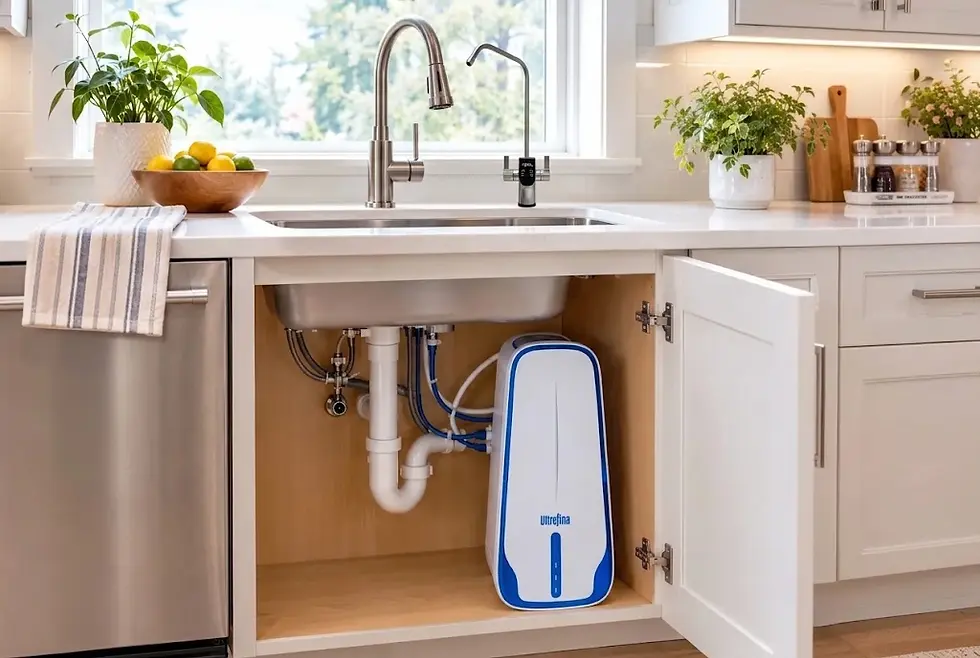
Installation: Do you want a system under your sink, attached to your faucet, or a whole-house filter? Each has pros and cons.
Maintenance: Filters need changing. Choose a system with affordable and easy-to-replace cartridges.
Certification: Look for filters certified by recognized bodies like NSF International. This ensures they meet strict safety standards.
By focusing on these factors, you’ll narrow down your choices and find the best home water filters that suit your needs.

What is the Best Water Filtration Technology for a Home?
Technology drives performance. The best water filtration technology depends on what you want to remove from your water and how much maintenance you’re willing to do. Here are some popular technologies:
These are excellent for removing chlorine, bad tastes, odors, and some organic compounds. They are affordable and widely used in pitcher filters, faucet attachments, and under-sink systems.
RO systems push water through a semi-permeable membrane, removing a wide range of contaminants including heavy metals, fluoride, nitrates, and even some bacteria. They produce very pure water but can waste some water during the process.
UV systems use ultraviolet light to kill bacteria and viruses. They are often combined with other filters to ensure microbiological safety.
Great for softening hard water by replacing calcium and magnesium ions with sodium or potassium ions. This technology helps prevent scale buildup in pipes and appliances.
Choosing the right technology means matching your water quality issues with the filter’s strengths. Sometimes, combining technologies offers the best protection.
How to Assess Your Water Quality Before Choosing a Filter
You can’t pick the best home water filters without knowing what’s in your water. Here’s how to assess your water quality:
Get a Water Test Kit: Available online or at local stores, these kits test for common contaminants like chlorine, lead, bacteria, and hardness.
Contact Your Water Supplier: Municipal water providers often publish annual water quality reports. These reports give you a baseline understanding.
Hire a Professional: For detailed analysis, especially if you use well water, a professional test can identify specific contaminants.
Look for Signs: Taste, smell, and appearance can hint at problems. Cloudy water, strange odors, or metallic tastes signal the need for filtration.
Once you know what contaminants are present, you can select filters designed to remove those specific impurities. This targeted approach saves money and ensures your water is safe and pleasant.
Installation and Maintenance Tips for Long-Term Success
Installing your best home water filters correctly is crucial. Here’s how to make sure your system works efficiently for years:
Follow Manufacturer Instructions: Each system has unique installation steps. Don’t skip the manual.
Consider Professional Installation: For complex systems like whole-house filters or RO units, a certified plumber can ensure proper setup.
Regular Filter Replacement: Keep track of when filters need changing. Old filters can harbor bacteria and reduce water quality.
Clean Components: Some filters require periodic cleaning. Follow guidelines to avoid clogging or damage.
Monitor Water Pressure: Low pressure can indicate clogged filters or leaks. Address issues promptly.
Proper maintenance extends the life of your system and guarantees consistent water quality.
Why Investing in a Quality Water Filtration System Pays Off
Choosing the right home water filtration system is more than a purchase—it’s an investment in health and peace of mind. Here’s why it’s worth it:
Protect Your Health: Remove harmful contaminants that can cause illness or long-term health problems.
Improve Taste and Smell: Enjoy water that tastes fresh and smells clean, encouraging better hydration.
Save Money: Avoid buying bottled water and reduce wear on appliances caused by hard water.
Environmental Impact: Reduce plastic waste by using filtered tap water.
Increase Property Value: Homes with quality water filtration systems are attractive to buyers.
Clean water is a foundation for a healthy lifestyle. Don’t settle for less when you can have the best.
Choosing the right best home water filters is a smart step toward better water quality. By understanding your water, exploring filtration technologies, and maintaining your system well, you ensure safe, great-tasting water every day. Take control of your water today and enjoy the benefits for years to come.

Comments